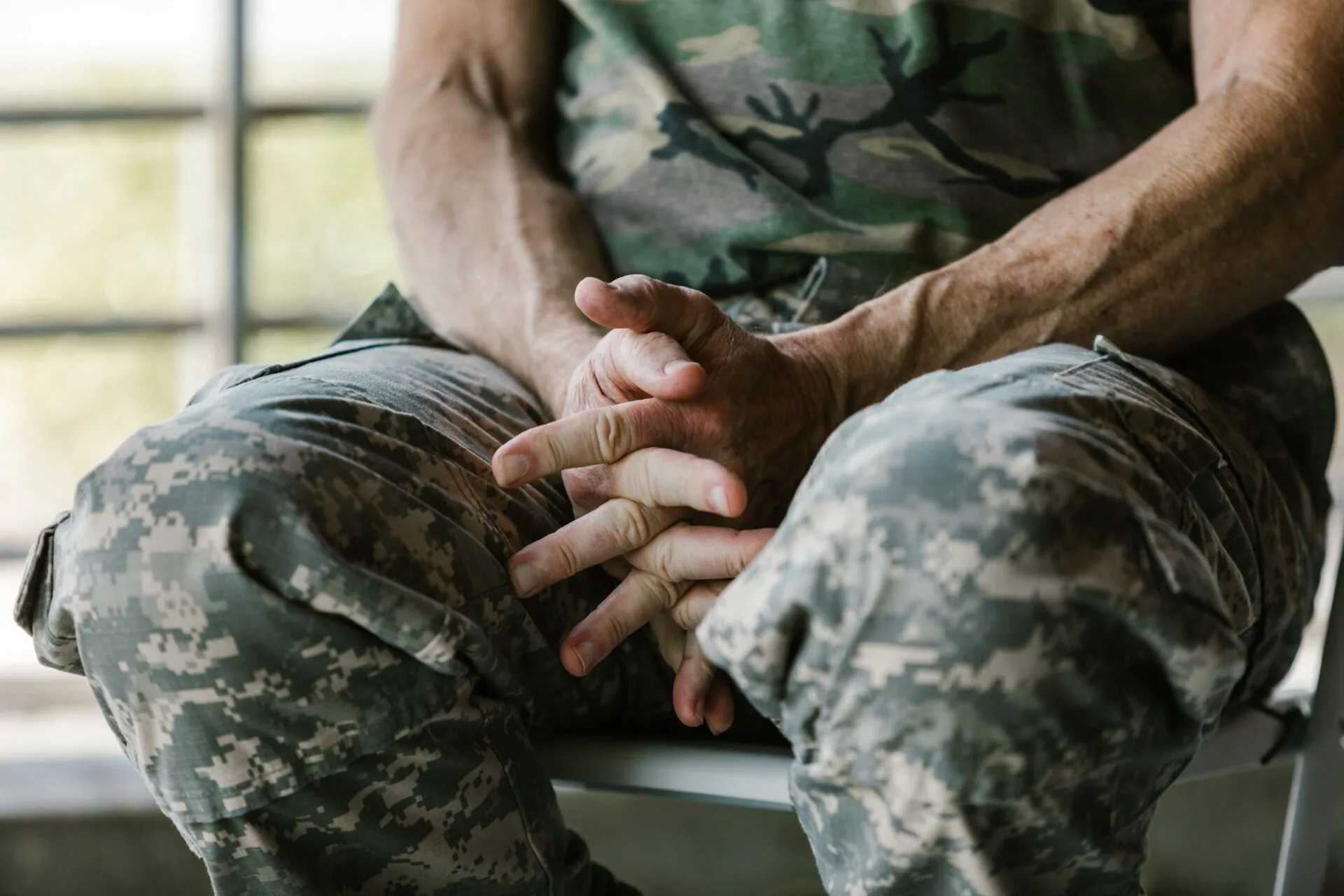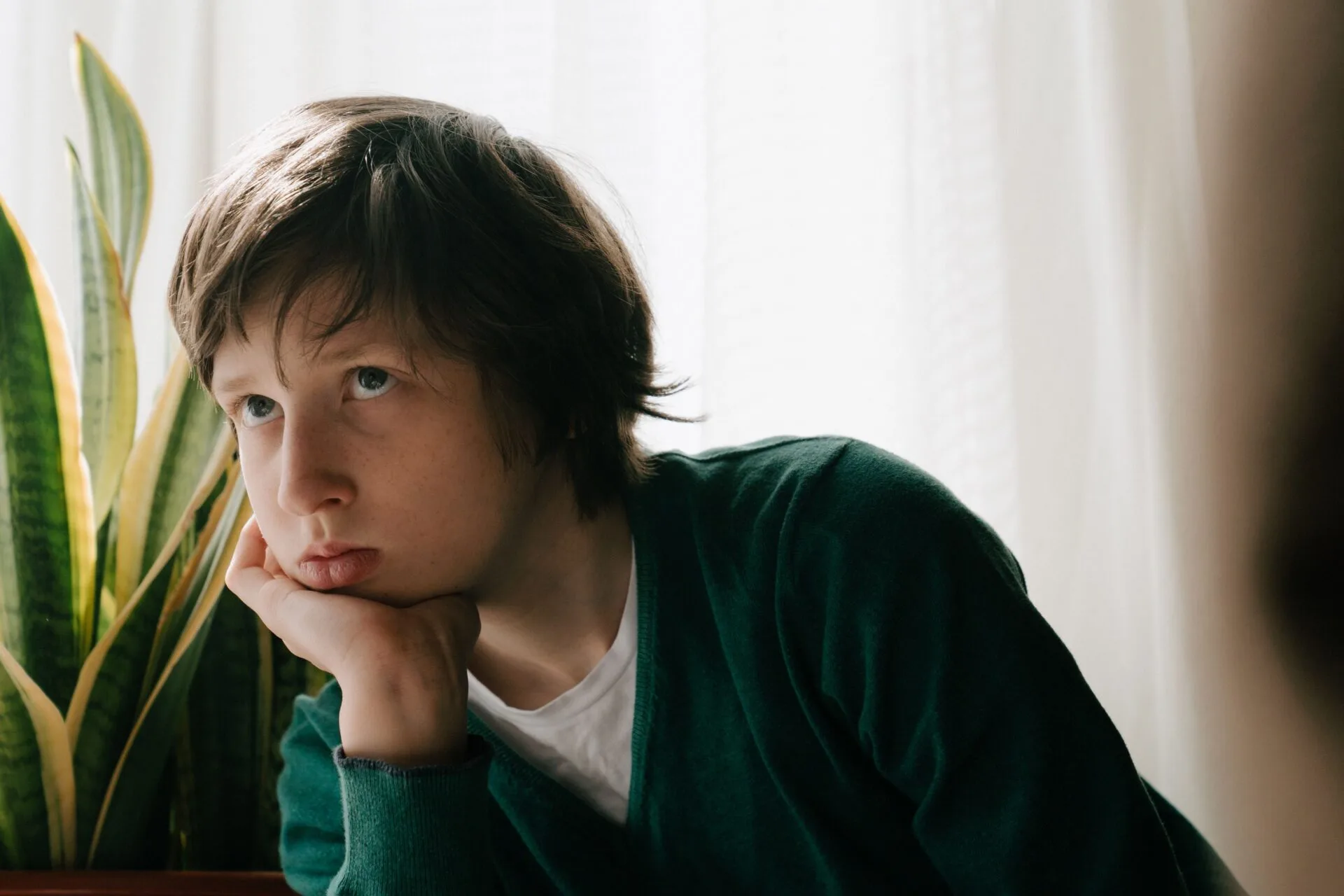
In my work with veterans experiencing Posttraumatic Stress Disorder (PTSD), I have found that traditional clinical explanations do not always resonate with their lived experience. We can describe PTSD in terms of symptoms, diagnostic criteria, and changes in the way the brain and nervous system respond to threat. Those explanations have value, but they do not necessarily answer the question many people with PTSD are actually asking:
“What is wrong with me?”
For many veterans, that question carries considerable shame. They may understand intellectually that they have PTSD while simultaneously believing they should have been able to handle what happened. They may become frustrated by their difficulty sleeping, irritability, constant alertness, or disconnection from people they care about.
Over time, I began offering a different way of understanding PTSD: not as evidence of weakness or personal failure, but as a deeply human response to overwhelming, and sometimes inhumane, experiences.
When Survival Outlasts the Danger
PTSD can be understood, in part, as a condition in which the systems responsible for detecting and responding to threat remain highly sensitized after the danger has passed.
Consider what the human nervous system does when confronted with danger. Attention narrows. The body prepares for action. Sleep may become lighter. Sounds and movements take on greater significance. Reacting quickly becomes more important than calmly considering every possible explanation for what is happening.
In a dangerous environment, these responses can serve an important purpose. For someone in combat, constantly monitoring the surroundings may be protective. The difficulty is that the nervous system does not always simply return to its previous state once the danger has ended.
A veteran may return home to an objectively safer environment while continuing to experience the world through a system that has learned that danger can emerge quickly and unpredictably. A crowded restaurant may feel uncomfortable. Sitting with one’s back to a door may feel intolerable. An unexpected noise may produce an immediate physiological reaction before the person consciously recognizes its source.
The problem is not that the survival system responded to danger. The problem is that patterns that were once useful can persist after the circumstances have changed.
PTSD Is More Than Fear
This survival-based explanation is important, but incomplete. Trauma can also affect memory, relationships, beliefs about oneself and others, and the meaning a person assigns to what occurred.
Human beings do not simply experience events. We interpret them. We develop expectations about safety, trust, fairness, responsibility, and how the world is supposed to work. We also develop beliefs about ourselves: who we are, what we are capable of doing, and what we should have done differently.
Trauma can disrupt these assumptions. Someone who believed the world was generally safe may begin to experience danger everywhere. Someone who trusted authority may struggle after profound betrayal. Someone who believed they could protect the people they loved may carry tremendous guilt after encountering a situation in which protection was impossible.
Some of the suffering associated with trauma occurs not only because something terrifying happened, but because what happened no longer fits easily within the person’s understanding of themselves or the world.
When Trauma Becomes a Moral Experience
This dimension can be particularly important for veterans. Some are haunted primarily by what happened to them. Others struggle with what they witnessed, what they were unable to prevent, decisions they were required to make, actions they took themselves, or situations in which every available choice carried consequences.
These experiences may involve fear, but they can also involve guilt, shame, grief, anger, betrayal, and profound questions about morality and identity.
This is where the concept of moral injury can be useful. Moral injury is not simply another name for PTSD, nor does every veteran with PTSD experience it. Rather, it describes the psychological, emotional, and sometimes spiritual distress that can follow experiences that violate deeply held moral beliefs or expectations.
A veteran may know intellectually that a decision made in combat was necessary and still struggle emotionally with having made it. Another may carry guilt about surviving when someone else did not. Others may feel betrayed by leadership or remain troubled by something they witnessed but were powerless to stop.
Trauma is not always reducible to fear. Sometimes the wound involves what a person believes should never have happened—or what human beings should never have been required to witness.
Why One Person Develops PTSD and Another Does Not
Describing PTSD as a human response to overwhelming experiences does not mean everyone exposed to trauma develops PTSD. Two people can experience similar events and respond very differently afterward. This does not mean one is stronger than the other.
PTSD is influenced by many factors, including early life experiences, biological vulnerability, the nature and duration of the trauma, social support, prior trauma exposure, what happened afterward, and the meaning assigned to the experience.
That’s why normalizing PTSD symptoms can be misunderstood. Saying PTSD symptoms are understandable in the context of trauma does not mean PTSD is inevitable, desirable, or requires no treatment. PTSD is a real psychiatric condition that can produce substantial suffering and impairment.
But a person can have a psychiatric disorder without being a defective person.
From “What Is Wrong with Me?” to “What Happened to Me?”
One of the most damaging consequences of PTSD can be the meaning people assign to their symptoms. Someone who cannot sleep may conclude they are losing control. Someone who avoids crowds may view themselves as weak. A veteran who once functioned effectively under extraordinary pressure may feel ashamed that ordinary situations now produce anxiety or irritability.
These interpretations add another layer of suffering.
This is why I often encourage people with PTSD to consider replacing the question:
“What is wrong with me?”
with:
“What happened to me, and how did I learn to survive it?”
The first question begins with the assumption that the problem is the person. The second places the person’s reactions within a context.
Hypervigilance, avoidance, difficulty trusting, guilt, anger, and emotional numbing did not appear out of nowhere. They developed in relation to experiences that overwhelmed or fundamentally altered the person’s existing ways of maintaining safety and understanding the world.
Recognizing that context does not mean every response remains useful. Constant vigilance may help someone survive a dangerous environment while making it almost impossible to relax at home. Emotional detachment may allow someone to function during an overwhelming experience while later creating distance from a spouse or children. Avoidance may reduce distress in the short term while gradually making a person’s world smaller.
Understanding why a response developed and recognizing that it is now causing problems are not contradictory. Both can be true.
Understanding Is Not the Same as Excusing
Understanding PTSD compassionately does not mean removing responsibility or treating every behavior as acceptable because it resulted from trauma.
Trauma may help explain why someone reacts in a particular way. It does not automatically excuse harmful behavior. A person can understand the origins of anger while taking responsibility for how that anger is expressed. Someone can recognize why avoidance developed while working to confront situations that are objectively safe.
In fact, reducing shame can sometimes make accountability more possible. Understanding the origins of a response can create enough psychological distance to ask:
“This reaction makes sense given what I experienced. Is it still helping me now?”
That question creates room for change.
Recovery Is Not Forgetting
People sometimes imagine recovery from PTSD as reaching a point at which the traumatic experience no longer matters. That is rarely a useful standard. Some experiences should matter.
Treatment does not need to erase the significance of what happened or convince someone that an experience was less terrible than it actually was. Instead, treatment can help a person develop a different relationship with the memory and with the thoughts, emotions, physiological reactions, and beliefs connected to it.
The traumatic event becomes something that happened rather than something that continues to organize every aspect of the present. The nervous system can learn that danger is not everywhere. Avoidance can decrease. Relationships can become safer. Memories can become more tolerable. Guilt and shame can be explored in context rather than treated as unquestionable proof of wrongdoing or defectiveness.
A Human Response
PTSD deserves to be taken seriously. It can affect sleep, work, relationships, physical health, emotional well-being, and a person’s basic sense of safety. Effective treatment may require confronting painful memories, reconsidering long-held beliefs, reducing avoidance, and gradually learning to distinguish past danger from present circumstances.
But there is an important difference between telling someone, “Your brain is malfunctioning,” and helping them understand, “Your mind and body learned something powerful from what happened to you. Now we need to help them learn that the circumstances have changed.”
That distinction allows us to acknowledge PTSD as a genuine clinical disorder without reducing the individual to the disorder. It allows us to recognize suffering without equating suffering with weakness.
Sometimes the symptoms that now interfere with a person’s life began as understandable responses to circumstances in which survival—physical, emotional, or moral—was profoundly challenged.
Seen from that perspective, PTSD is not simply evidence that something has gone wrong. It is also evidence of something deeply human: our capacity to be affected by what happens to us, by what happens to others, and by experiences that challenge our most basic expectations of safety, trust, morality, and humanity.
Steven Rego, PhD, LCSW, CST, is a Licensed Clinical Social Worker, Certified Sex Therapist, and Clinical Sexologist. He provides specialized psychotherapy for individuals and couples navigating complex emotional, relational, and sexual health challenges. He earned his PhD in Clinical Sexology and his Certified Sex Therapist (CST) designation through the Modern Sex Therapy Institutes.